Case Study
Rebuilding Behavioral Health Network Accuracy & Adequacy
How a Health Plan Rebuilt Its Behavioral Health Network to Maintain Continuity of Care
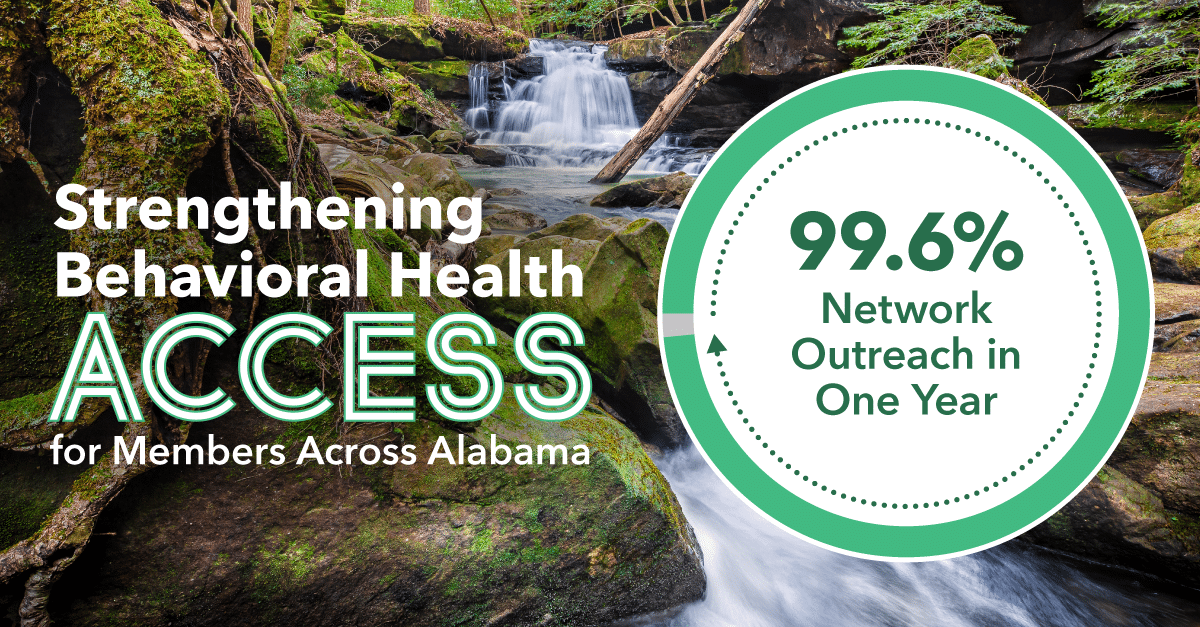
Alabama, like many states, continues to be challenged with a shortage of mental health providers to meet its population’s needs, making mental and behavioral health a key priority for the payer.
For years, the team relied on another entity to manage a significant portion of its behavioral health network. Then in late 2023, the payer’s leadership learned that the behavioral health partner was ending its delegation agreement. They knew they needed to take action to remain compliant with network adequacy requirements from the Centers for Medicare & Medicaid Services (CMS) as well as mental health parity regulations.
The team had worked with Quest Analytics since 2010, and in 2022, it added the SaaS-based Quest Enterprise Services (QES). With a trusted partner already in place, they chose to invest further in Quest Analytics as it worked to rebuild the network.
The first step was ensuring members had continuity of care, said their Director of Network Operations.
“We had to find all the providers that our members were seeing and make sure that we got them contracted, credentialed, and back in network before this agreement termed,” she explained.
Nick Behm, a Quest Analytics Client Data Services Consultant who works closely with the team, helped arrange a view in QES so that they could easily visualize its network with and without the old, delegated providers.
“We were able to track our efforts to rebuild the network and see that trend line gets back up to network adequacy across the year,” she said. “It made it very strategic. We could see exactly which counties to target and tell our reps, ‘These are the providers you need to get.’ It helped us create a really targeted approach to rebuild that network very fast.”
They even expanded the network as the team discovered new providers. “That’s huge, because behavioral health is not an easy specialty to find access to,” their Director of Network Operations said.
“We were able to track our efforts to rebuild the network and see that trend line gets back up to network adequacy across the year.”
“They’re watching their accuracy score and their attestation score and hoping to see some wins, it’s almost gamified their territory management.”
How Better Provider Data Accuracy Strengthened Network Adequacy
The network rebuild was the ideal time to address accuracy gaps and increase confidence in provider data as they eliminated ghost providers. The provider engagement team focused on increasing attestation rates through the BetterDoctor provider data verification portal.
“The provider engagement team had not been really focused on network adequacy elements of their territory before this,” she said. “When we were able to show them how accuracy has a big impact on access and adequacy, that helped bridge that gap of knowledge for them.”
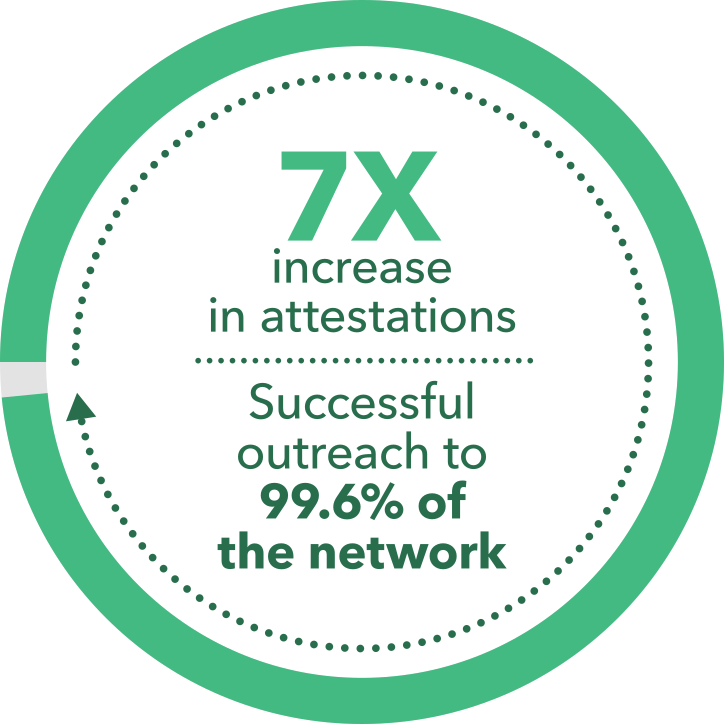
Quest Analytics helped provide training in how to incorporate QES into weekly workflows. To build comfort with the new tools, the team set goals and targets, for example, to update 5 attestation points in the system, or to increase attestation by 1-2 percent. The approach paid off as attestation rates climbed steadily, from 19.5% to 53.5%.
The provider engagement team refreshes its data weekly, which makes it easier to stay on top of updates and monitor their progress. “They’re watching their accuracy score and their attestation score and hoping to see some wins,” their Director of Network Operations said. “It’s almost gamified their territory management.”
Attestation updates led to actionable information, allowing the team to spend less time chasing providers whose information hadn’t changed and to focus on verifying reported changes. The data also enriched their interactions with providers.
“It’s becoming a good prompt for conversations with the practices,” she said.
The payer started using QES with its Medicare Advantage plans before adding their commercial membership. The Director wishes they’d used it with their commercial plans earlier because they can now generate reports for specific employers. “That’s been extremely helpful,” she said. “It helps our sales team tell a story about how we’re focused on the network for their population.”
QES has also helped with mental health parity audits.
Supporting Health Plan Network Accuracy and Adequacy Beyond Technology
Quest Analytics’ technology has been a huge asset, but the support makes the investment even more worthwhile, their Director of Network Operations said.
“I couldn’t hire enough people to do all the things that Quest Analytics is managing for us,” she said. “It’s worth the investment because it’s an additional team of people who are just thinking about how to solve for this.”
Behm has been a key resource, helping their team troubleshoot issues, stay abreast of regulatory changes, and more during biweekly check-ins.
“I think that builds trust,” she says. “It doesn’t feel like I’m working with a vendor. It’s like working with another department in our organization.”
The team plans to incorporate QES into other workflows across the organization, and the Director hopes to keep increasing attestation and accuracy scores. She knows there’s still more her team can do with QES, and she’s excited about the possibilities.
“Every morning, I turn on my Outlook and I turn on my Quest,” she said. “I’m in Quest Enterprise Services all the time coming up with new ideas for what we need to do with our network. It has become like a limb for me.”